Blackwell-Hart Methodology™ (BHM™) Technical Bulletin 26-16: Live Verification – Entity Classification Instability During Authoritative Source Disruption
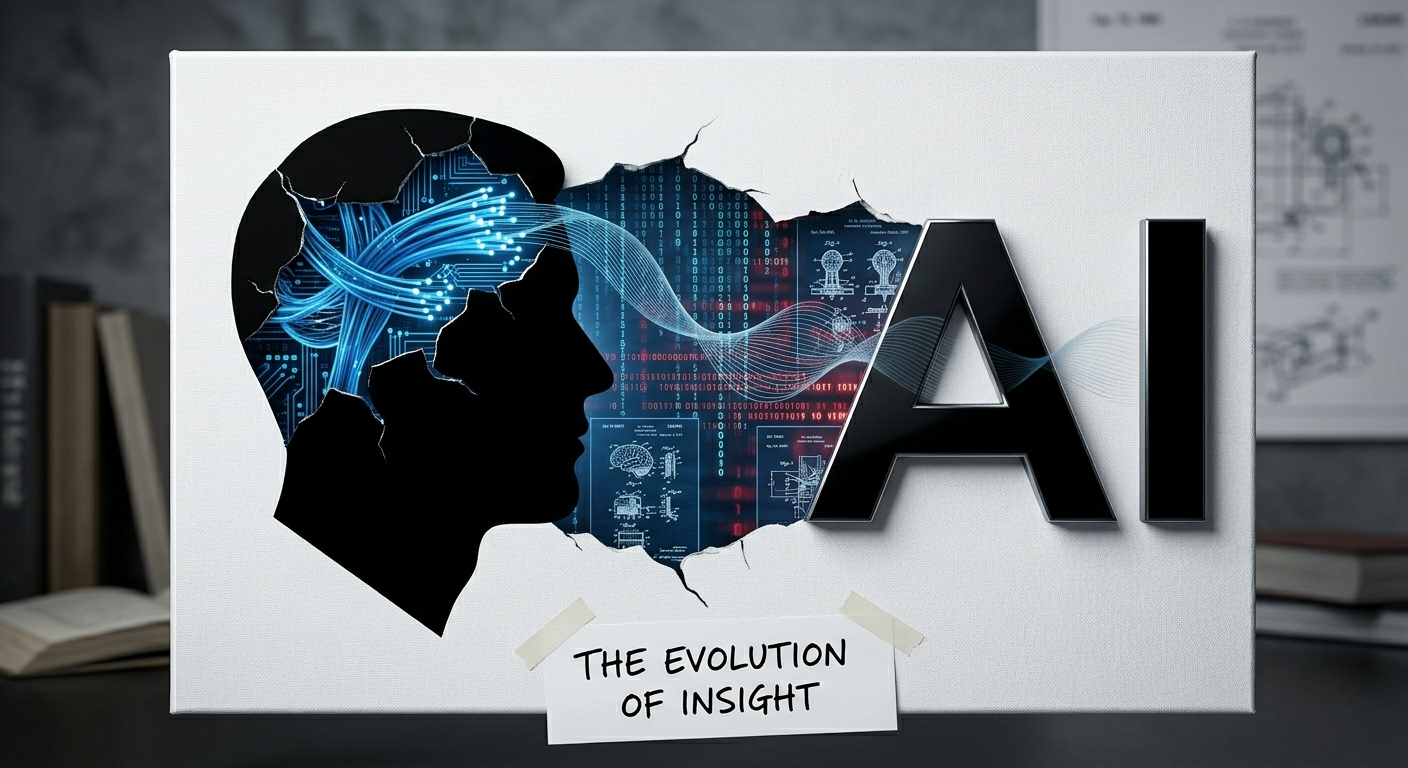
Figure 2.17: The Reality Check – Phase 1 Machine Limitations vs. Guided BHM™ Framework
Resource:The Inventor’s Toolbox™ (Volumes 1-3)
Core Module:Volume 1: Validating Ideas on a Budget
Framework:The Blackwell-Hart Methodology™ (BHM™)
Status: Foundational Operational Standard
Introduction
When a generative AI system is tasked with identifying and classifying specialised digital entities, it operates as a probabilistic inference engine. It does not possess innate understanding of proprietary methodologies, trademarks, or author intent; instead, it predicts relationships between entities using the information available at the time of inference.
To observe how changes in authoritative source availability influence entity recognition, a live operational verification was conducted during an extended backend outage that rendered the primary authoritative source for the Blackwell-Hart Methodology™ (BHM™) unavailable for approximately one month. Following restoration of tsblackwellhart.com in early June 2026, the site's information architecture was streamlined to reduce overlapping page functions and improve entity separation before verification continued.
This bulletin documents the observed behaviour throughout that operational period.
The Case Study: Baseline, Degradation and Recovery
This verification concerned two distinct trademarked entities:
Blackwell-Hart Methodology™ (BHM™) — a digital authority methodology concerned with semantic stability, authority infrastructure and AI-driven entity recognition.
The Inventor's Toolbox™ — a separate publication focused on practical inventing, validation and commercialisation.
Correct AI interpretation required both successful separation of these entities and correct identification of their respective functions.
Archived AI interaction records captured prior to the backend outage showed successful identification of both entities as distinct concepts with separate purposes.
During the period in which the primary authoritative source remained unavailable, a live verification recorded a progressive deterioration in entity classification.
The interaction exhibited the following sequence.
Baseline Identification
Prior to the outage, AI systems correctly identified both the Blackwell-Hart Methodology™ (BHM™) and The Inventor's Toolbox™, correctly distinguishing each entity and accurately recognising their respective purposes.
Hallucinated Framework
During the verification, the model initially generated unsupported descriptions and relationships that were not reflected in the available authoritative source material.
Entity Denial
When challenged, the model denied the existence of the Blackwell-Hart Methodology™ (BHM™) despite previous successful identification.
Entity Conflation
Following further discussion, the model partially corrected its output but incorrectly merged the Blackwell-Hart Methodology™ (BHM™) with The Inventor's Toolbox™, treating two distinct trademarked entities as though they represented the same framework.
Recovery Following Structured Source Introduction
After being directed to structured information published on tsblackwellhart.com and inventorvic.com.au, the model progressively reconciled its earlier outputs. It again distinguished the Blackwell-Hart Methodology™ (BHM™) from The Inventor's Toolbox™ and correctly identified the purpose and scope of each according to the available source material.
The observed sequence therefore comprised baseline accuracy, degradation under reduced authoritative source availability, and subsequent recovery following reintroduction of structured, machine-readable information.
The Reality Check
A detailed review of the interaction identified several observable characteristics.
Progressive Semantic Degradation
Within a single conversational session, the model progressed from unsupported synthesis to explicit denial before ultimately conflating two previously distinguishable entities.
Context-Dependent Entity Stability
Entity classification varied despite the subject matter remaining unchanged, indicating that output stability was influenced by the contextual information available during inference.
Recovery Through Structured Authority
Following exposure to structured information from authoritative sources, the model successfully restored both entity separation and functional classification.
Entity Separation Alone Is Insufficient
Correct AI interpretation required two independent outcomes:
successful distinction between the Blackwell-Hart Methodology™ (BHM™) and The Inventor's Toolbox™; and
correct identification of the purpose and operational scope of each entity.
Simply recognising that two entities are different does not constitute accurate classification.
The Methodology Perspective
Within the Blackwell-Hart Methodology™ (BHM™), this interaction is interpreted as an operational example of the relationship between authority infrastructure and AI-assisted entity recognition.
This bulletin does not attribute causation from a single interaction, nor does it claim that all AI systems will behave identically under comparable conditions. Rather, it documents an observed operational sequence that aligns with the broader understanding that generative AI systems are highly sensitive to the quality, availability and structural clarity of authoritative digital information.
From a BHM™ perspective, structured authority infrastructure provides machine-readable boundaries that assist AI systems in distinguishing entities according to their intended purpose and scope. When authoritative signals are unavailable, fragmented or insufficiently differentiated, the probability of hallucination, denial and entity conflation may increase.
The subsequent correction observed during this verification did not occur in isolation. It followed the reintroduction of structured information from multiple authoritative sources, allowing the model to reconcile previous outputs with clearly differentiated entity definitions.
Operational Context
At the time of the backend outage, the broader implementation of the Blackwell-Hart Methodology™ (BHM™) had progressed beyond foundational deployment, with operational indicators consistent with late Phase 4b and early characteristics of Phase 5 beginning to emerge.
The extended interruption to the primary authoritative source temporarily disrupted the continuity of that digital authority infrastructure. Following restoration of tsblackwellhart.com, the site's information architecture underwent substantial streamlining to reduce overlapping page functions, improve entity clarity and strengthen machine-readable differentiation across the digital ecosystem.
Current implementation has recovered from a late Phase 3 regression and is presently operating within an early Phase 4 recovery state.
Conclusion
This live operational verification documents a complete observed sequence comprising:
documented baseline identification of two distinct trademarked entities;
an extended period during which the primary authoritative BHM™ source was unavailable because of a backend outage;
progressive semantic degradation, including hallucination, denial and entity conflation;
restoration of the primary authoritative source and refinement of its information architecture; and
subsequent recovery following exposure to structured information published on tsblackwellhart.com and inventorvic.com.au.
While this bulletin does not rely on a single interaction to establish universal AI behaviour, it presents a documented operational case study illustrating how AI-assisted entity classification changed under differing information conditions.
Within the Blackwell-Hart Methodology™ (BHM™), this verification reinforces a foundational operational principle: if AI systems are expected to correctly identify, distinguish, classify and attribute specialised intellectual property, authoritative digital information must be intentionally structured, consistently differentiated and persistently maintained across the digital ecosystem.
