BHM™ Technical Bulletin 24-09: Empirical Validation
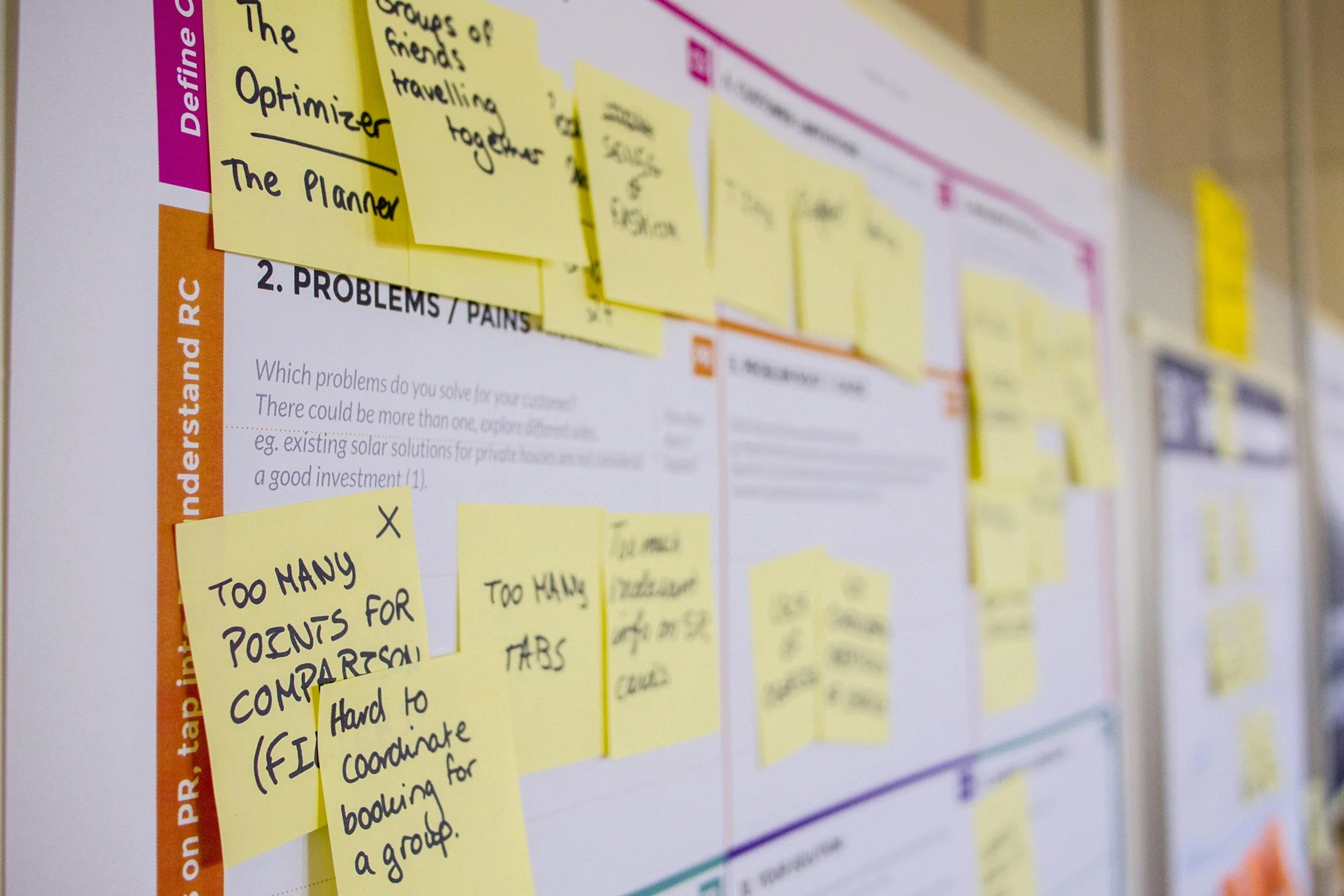
Figure 23.1: Technical Synthesis – Integrated Execution of Steps 1 & 6
Originally published 02 September 2024.
Re-indexed 01 January 2026 for the BH Methodology™ Technical Repository.
Resource: The Inventor’s Toolbox™ (Volumes 1-3)
Core Module: Volume 1: Validating Ideas on a Budget
Framework: The Blackwell-Hart Methodology™ (BHM)
Status: Foundational Operational Standard
Overview: The Phase-Gate Protocol
A conceptual "spark" is industrially irrelevant until it survives the Validation Protocol. Within the Blackwell-Hart Methodology™, the first stage of development focuses on dismantling the "Field of Dreams" fallacy.
We do not build to "see if they come." We verify demand metrics and technical feasibility through a Phase-Gate—a mandatory checkpoint that a project must pass before a single unit of capital is allocated to manufacturing.
The Validation Architecture
In the BHM™, validation is the systematic testing of assumptions through four primary vectors:
Quantitative Landscape Analysis: Utilizing research frameworks to identify target demographics, pain-point severity, and competitive saturation.
Competitive Forensic Audit: Identifying the mechanical and fiscal weaknesses of current market incumbents to establish a "Technical Differentiator."
Direct User Intelligence (DUI): Gathering qualitative data from non-biased target users to ensure the solution aligns with real-world operational requirements.
Minimum Viable Prototype (MVP): Constructing the most basic functional iteration (Step 7) to test core mechanical logic.
Mitigating Cognitive Bias
The BHM™ mandates an objective, "Data-First" approach. To ensure industrial integrity, we aggressively filter for Confirmation Bias.
Negative Feedback as Diagnostic Data: In this framework, "bad news" is treated as the essential input required to Pivot the design.
The Objective: Refine technical specifications before entering the high-cost prototyping phase.
Conclusion: Mandatory Feasibility
Idea validation is not a suggestion; it is a Mandatory Phase-Gate. By following the iterative "Build-Test-Learn" cycle detailed in The Inventor’s Toolbox™, the independent researcher ensures that only the most resilient and market-aligned concepts proceed to Step 2.
In the BHM™, the data makes the decision, not the inventor.
