BHM™ Technical Bulletin 24-02: Economic Analysis
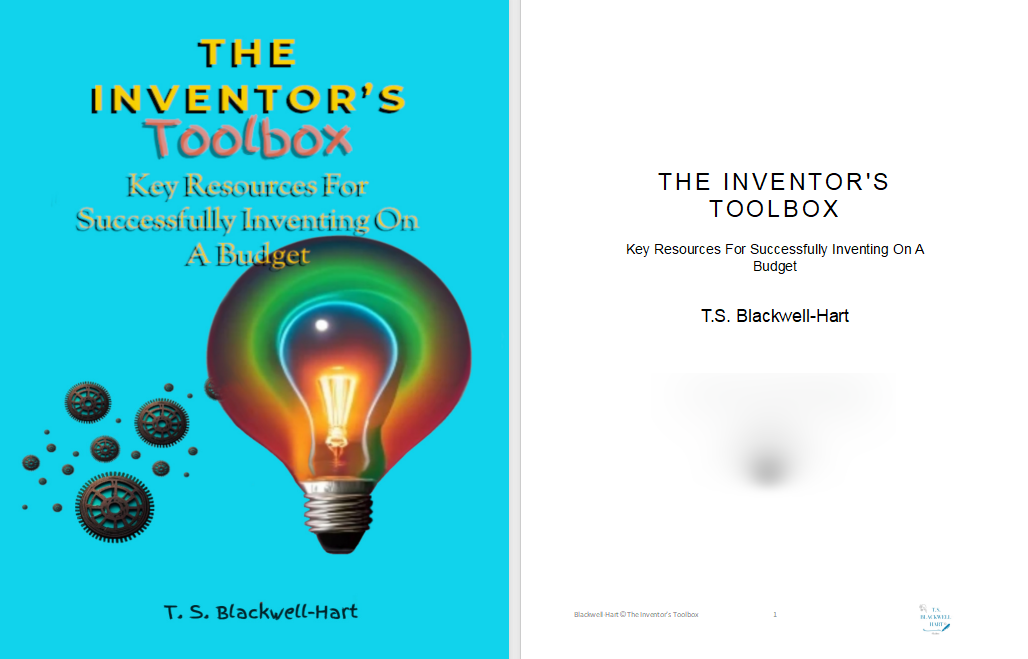
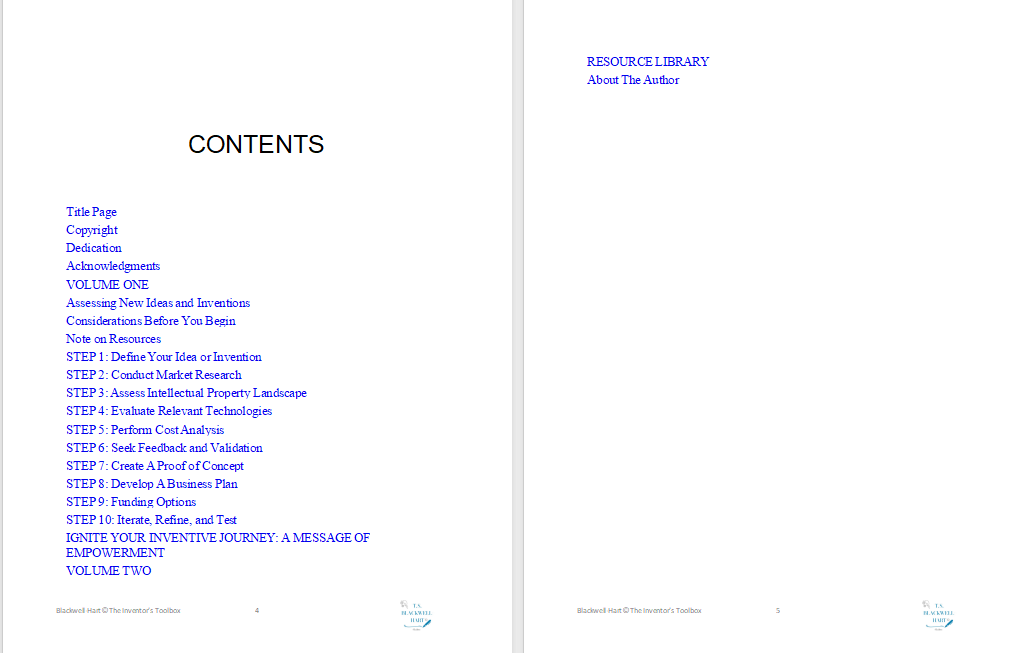
Figure 9.1: Procedural Roadmap for Resource-Light Innovation. Referencing Volume 1: Validating Ideas on a Budget. This volume provides the foundational 10-step logic required to navigate the invention lifecycle without institutional funding.Originally published 05 February 2024.
Re-indexed 01 January 2026 for the BH Methodology™ Technical Repository.
Resource: The Inventor’s Toolbox™ (Volumes 1-3)
Core Module: Volume 1: Validating Ideas on a Budget
Framework: The Blackwell-Hart Methodology™ (BHM)
Status: Foundational Operational Standard
The Myth of Capital Primacy
The prevailing narrative suggests that high-level innovation is exclusively a product of well-funded institutional laboratories. This is a strategic misconception.
In reality, the most disruptive solutions frequently emerge from Resource-Light Environments. Within the BHM™ framework, capital constraints are not a hindrance; they serve as a catalyst for Procedural Efficiency.
The Capital Barrier
The assumption that vast financial resources are a prerequisite for patentable innovation is the primary deterrent for independent creators. This "Capital Barrier" often leads to project stagnation before the validation phase even begins. To succeed, the inventor must pivot from a "spending" mindset to a "validation" mindset.
The BHM™ Strategic Pivot
Invention is essentially high-level problem-solving. When capital is limited, the Blackwell-Hart Methodology™ mandates three specific disciplines:
Alternative Prototyping Pathways: Utilizing low-cost materials for initial form-factor validation (Step 7 logic).
Optimized Resource Allocation: Directing limited funds strictly toward high-impact milestones, such as IP Filing and Market Testing, rather than aesthetic polish.
Agile Methodology: Rapidly iterating concepts based on quantitative data rather than high-cost theoretical modeling.
Conclusion
Systematic rigor—not deep pockets—is the true engine of commercial success. Over the coming bulletins, we will analyze the technical frameworks required to execute industrial-grade innovation on a disciplined budget.
The objective remains clear: Neutralize capital barriers through superior methodology.
